South Philly Neighborhood
Roofing in Newbold
Vetted contractors who know Newbold rowhomes, the L&I permit process, and how to coordinate with shared-wall neighbors. Free estimate, no obligation.
Get Matched in Newbold
Up to 3 vetted contractors will contact you within 24 hours
Roofing in Newbold: the Neighborhood Context
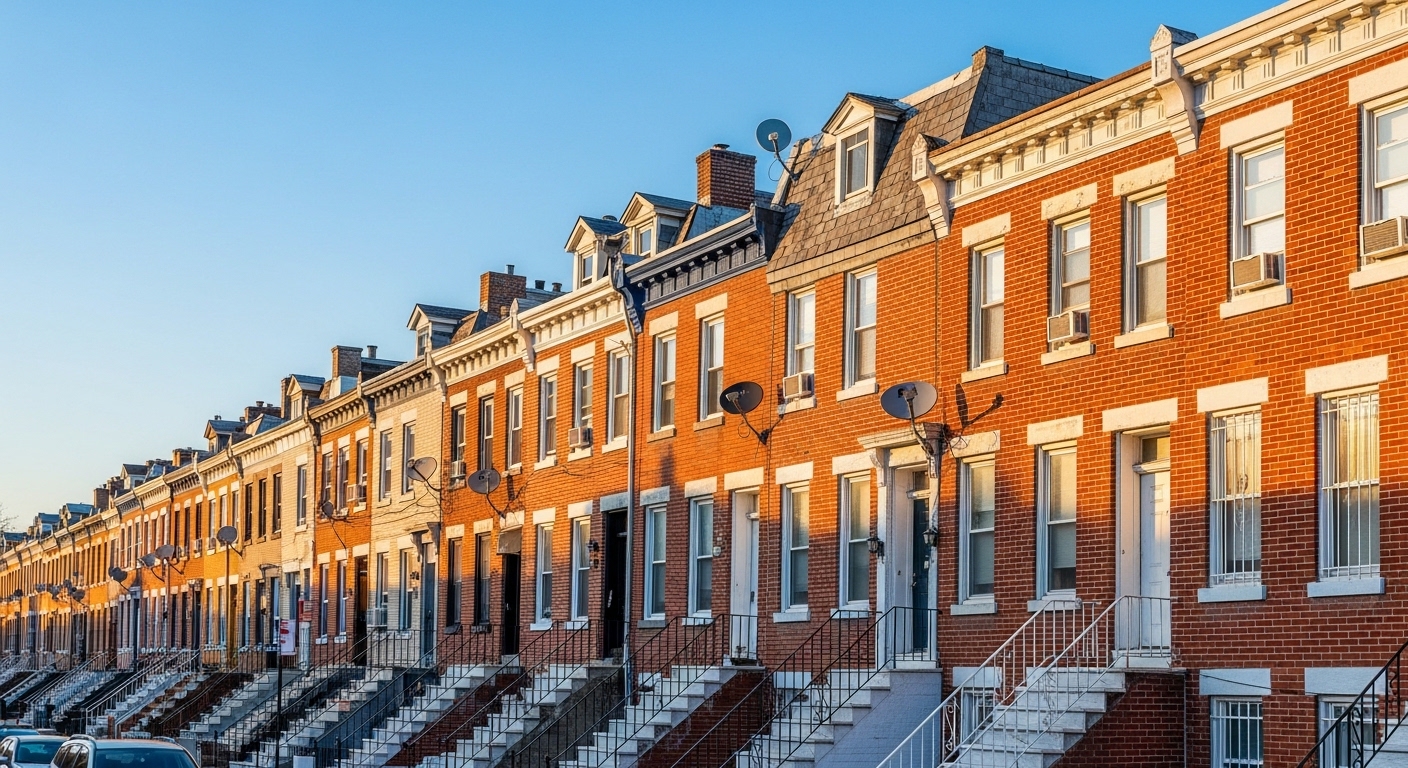
Newbold sits between Broad Street and 18th Street, roughly Tasker to Snyder. It's a tight rowhome neighborhood with a distinct identity — gentrification arrived in the 2010s, but more steadily than the Point Breeze wave. The blocks are classic South Philly geography: narrow east-west streets, dense rowhomes, alleys that range from useable to unusable. Most residents are recent owners who've done partial renovations, leaving an irregular mix of new and original systems.
Newbold's housing is mostly 1900–1925 rowhome, two-story dominant, with three-story blocks scattered throughout. Lot widths are narrow (15–17 feet typical), and the rear addition is present on almost every property. The renovation activity since 2010 has touched most properties, but unevenly — some are fully gutted, some are cosmetic-only, and many are partial. Roof work mirrors this: front replaced but not back, or new gutters but old chimney.
Newbold blocks are tighter than Passyunk Square and have less alley access in places. The two-story rowhomes mean less roof area per property than three-story neighborhoods, which can make full replacements proportionally more expensive (labor and access dominate over square footage). Chimneys are smaller and often shorter than three-story properties; flat rear additions are present but compact.
Common Roofing Work We See in Newbold
The project mix in Newbold skews differently than in other South Philly neighborhoods. These are the calls our contractors get most often here.
- Front pitched-roof replacement on properties where the renovation skipped the back — common Newbold pattern
- Combined front + rear replacements when the homeowner finally addresses the system they didn't touch during their renovation
- Gutter upgrades to handle combined drainage after the rear addition has been replaced and starts feeding more water forward
- Chimney pointing and crown rebuilds on shorter two-story chimneys (typically less expensive than three-story work)
- Storm damage response — Newbold's tighter blocks mean wind funneling can produce localised shingle loss on specific blocks
Streets and Sub-Areas We Cover in Newbold
Practical Access in Newbold
Newbold's tight blocks make material delivery slightly harder than Passyunk Square. Many blocks have no alley access, which means dumpsters go on the street and Philadelphia parking permits are pulled. One-way streets are common, which affects which direction truck deliveries can approach from. Local contractors map this out before scheduling.
Why a Newbold-Experienced Roofer Matters
Newbold contractors recognise the partial-renovation pattern: a buyer who renovated the kitchen and bathrooms but not the roof, who's now seeing the original flat rear addition fail 8-12 years after they moved in. They know what's likely under the visible roof and price accordingly. Out-of-area contractors often miss this, quote based on what they can see from the ground, then surface change orders mid-project.
Roofing Services in Newbold
Roof Replacement in Newbold
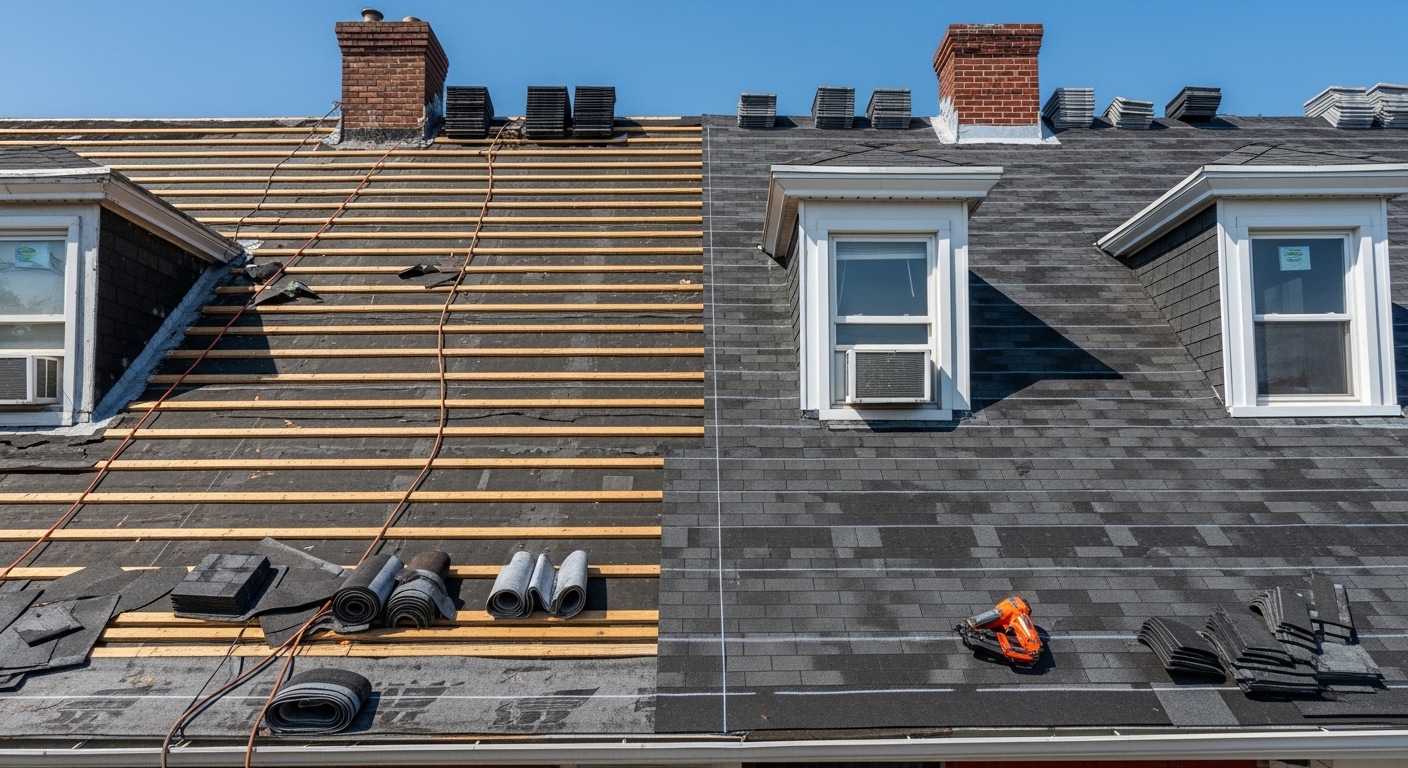
Complete roof replacement for South Philadelphia rowhomes and twins. Pitched front roof + flat rear addition handled in a single coordinated project, with L&I permit pulled and inspection scheduled.
Get free quotes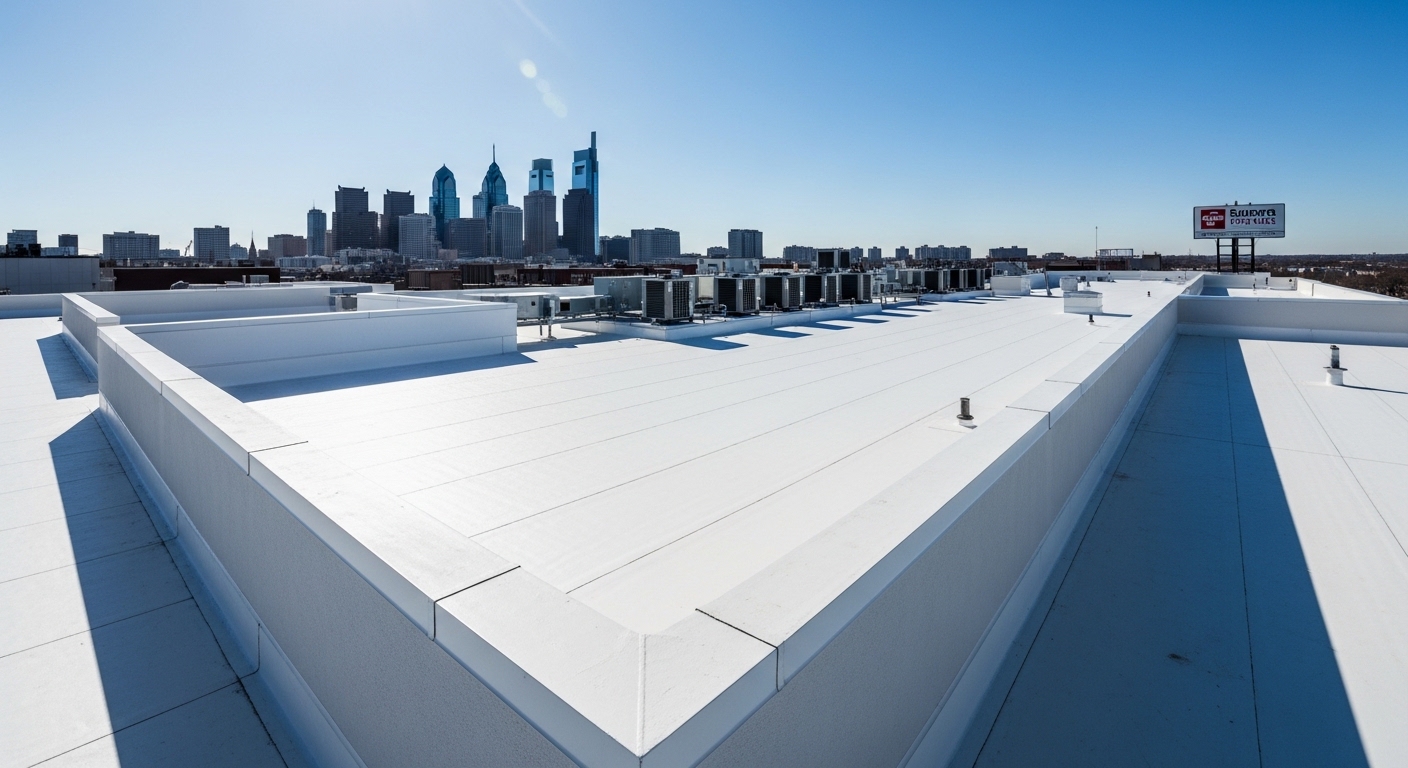
Flat Roofing in Newbold
Specialized flat and low-slope roofing for South Philly rear additions and converted properties. TPO and EPDM membrane installation with proper drainage, parapet flashing, and waterproofing details.
Get free quotes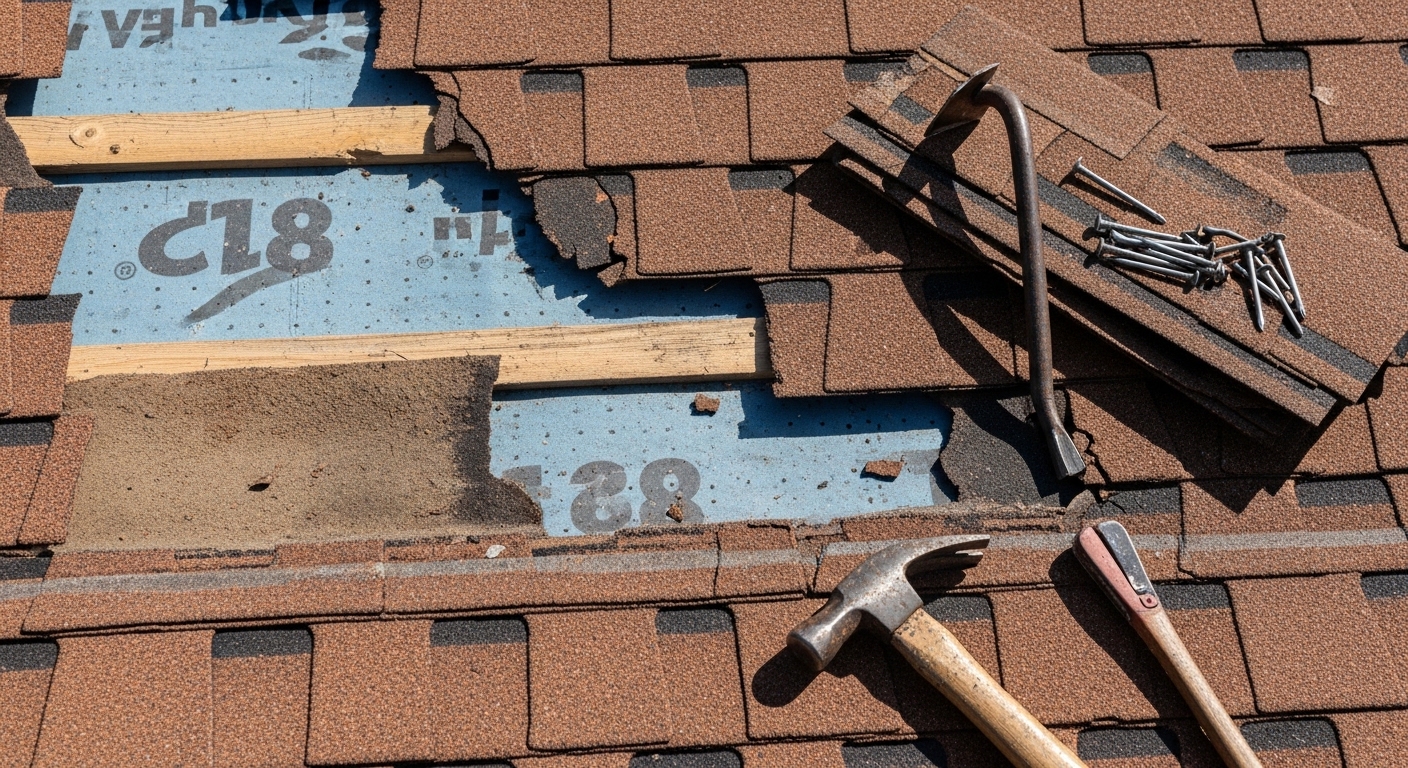
Roof Repair in Newbold
Targeted roofing repairs for South Philadelphia rowhomes. Storm damage response, chimney flashing rework, parapet wall sealing, and leak diagnosis when the visible damage isn't where the water is actually coming in.
Get free quotes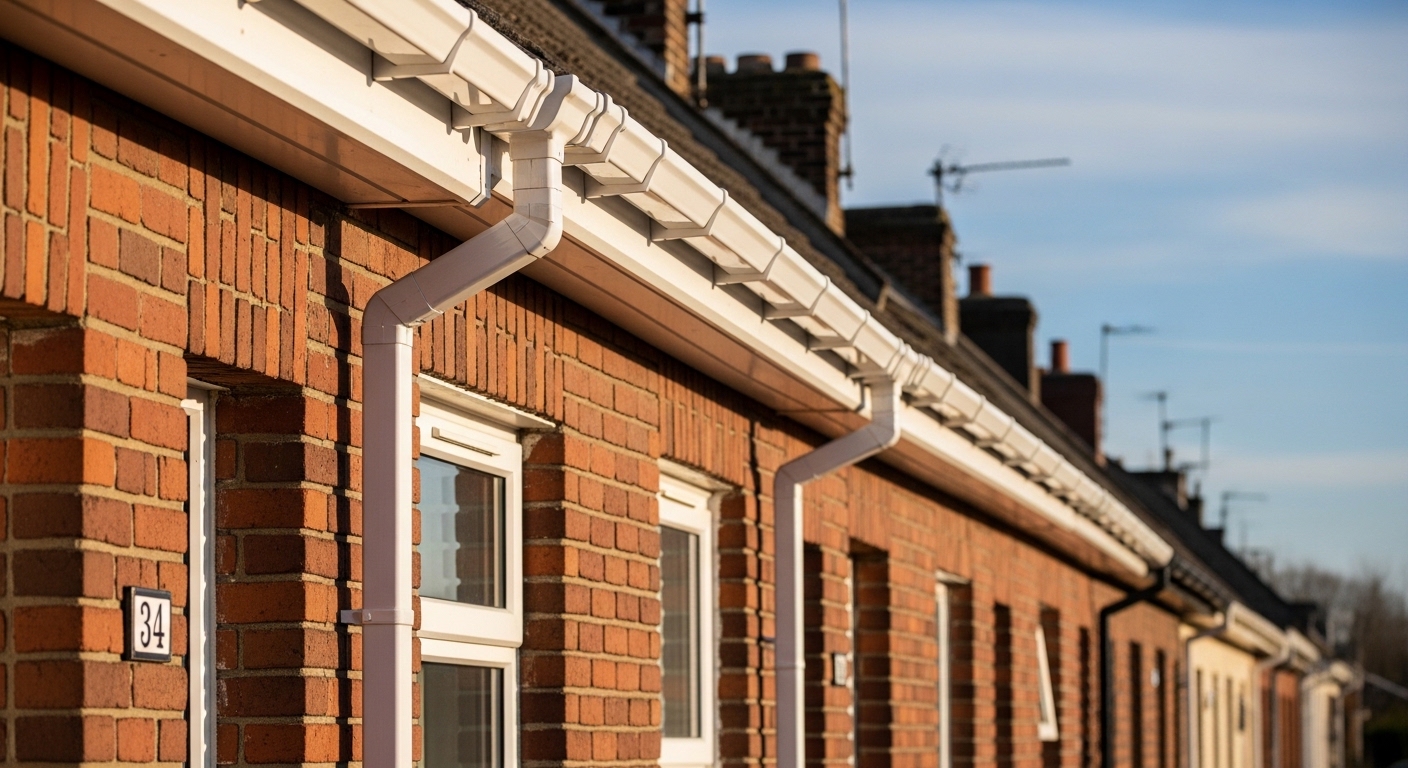
Gutter Installation in Newbold
Seamless gutter installation for South Philly rowhomes and twins. Proper sizing for combined front + rear-addition runoff, shared-downspout coordination with neighbors, and drainage that actually moves water away from the foundation.
Get free quotes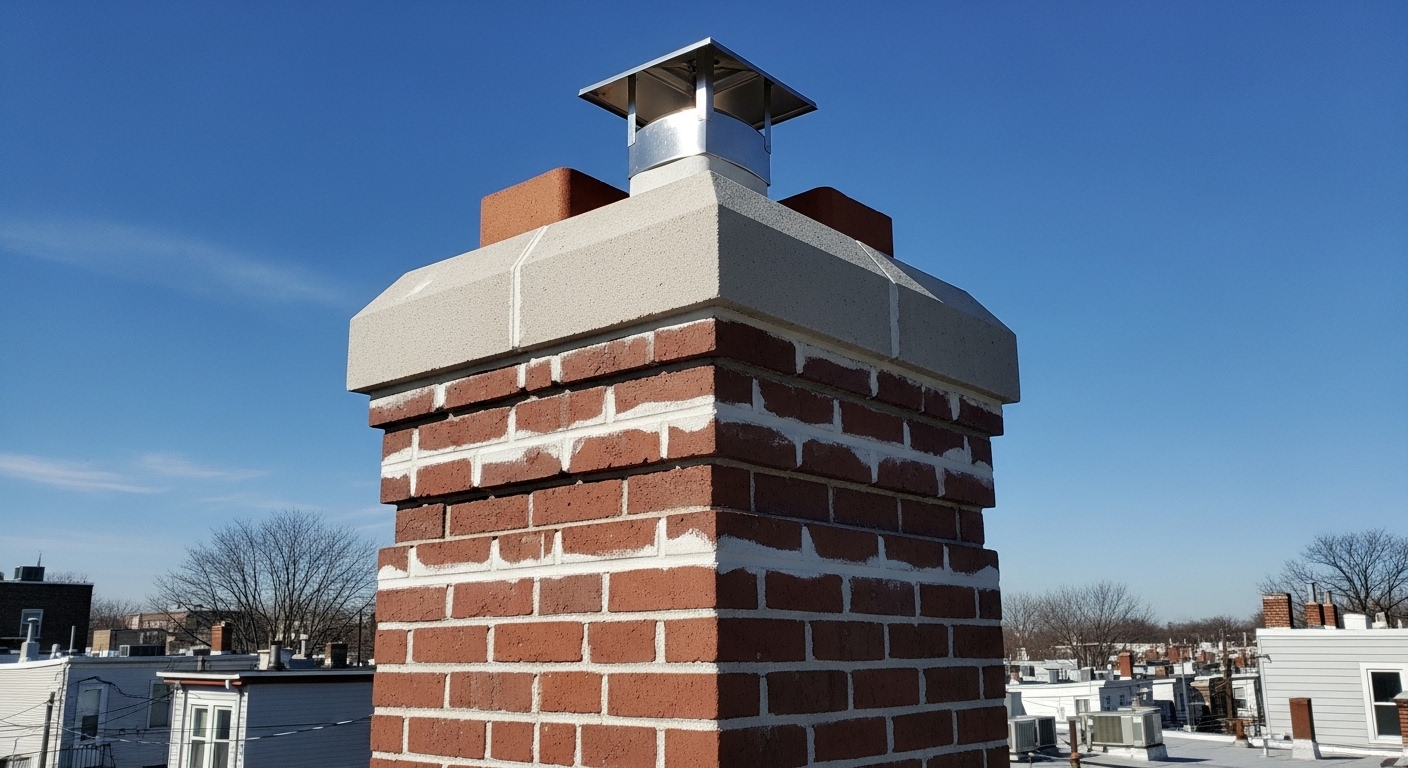
Chimney Repair in Newbold
Brick chimney repair and rebuilds for South Philly rowhomes — mortar repointing on century-old brick, crown rebuilds, flashing rework at the roof line, and full rebuilds when the structure is beyond pointing.
Get free quotes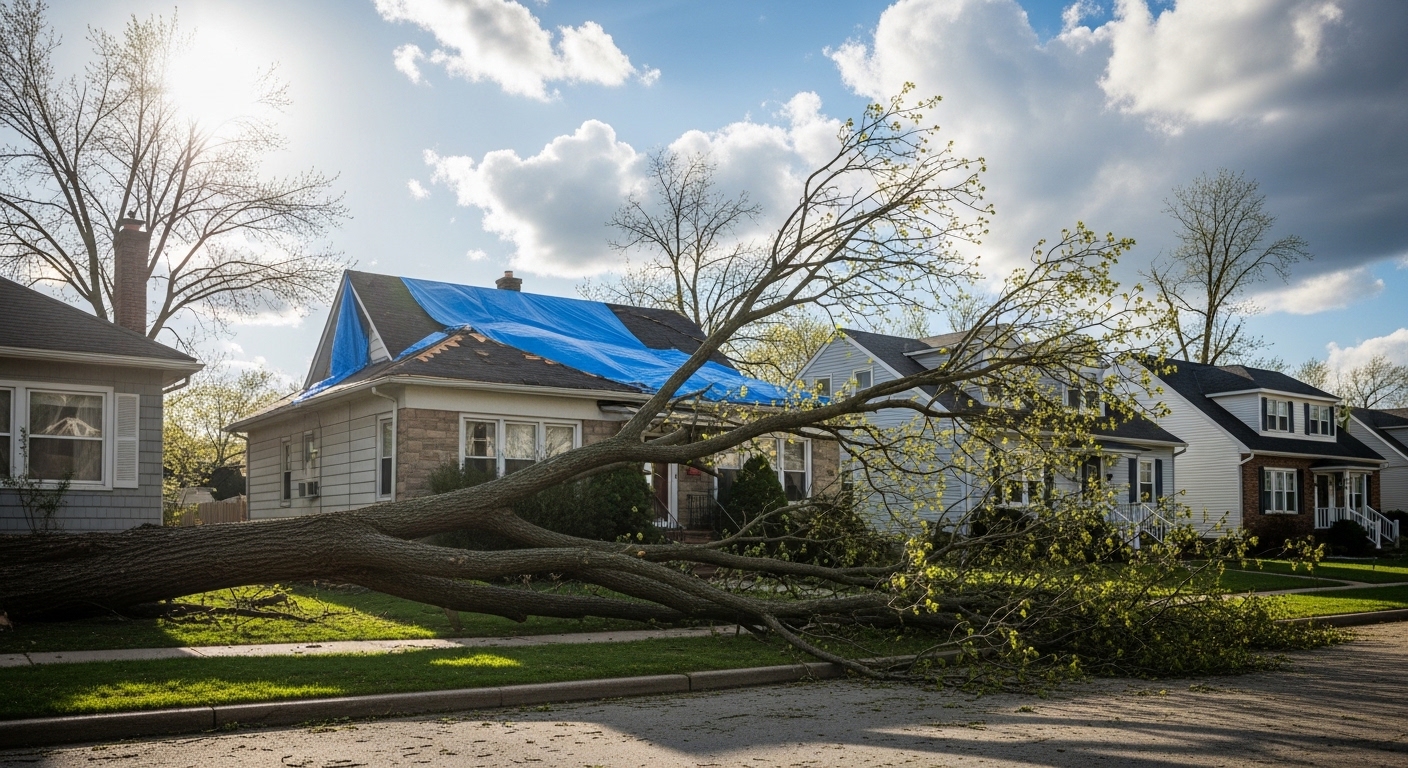
Storm Damage Repair in Newbold
Same-day storm damage response for South Philly. Emergency tarping to stop active leaks, insurance-format documentation, adjuster coordination, and permanent repair once the deck is dry.
Get free quotes